No products added!


Price range: $155.99 through $255.99
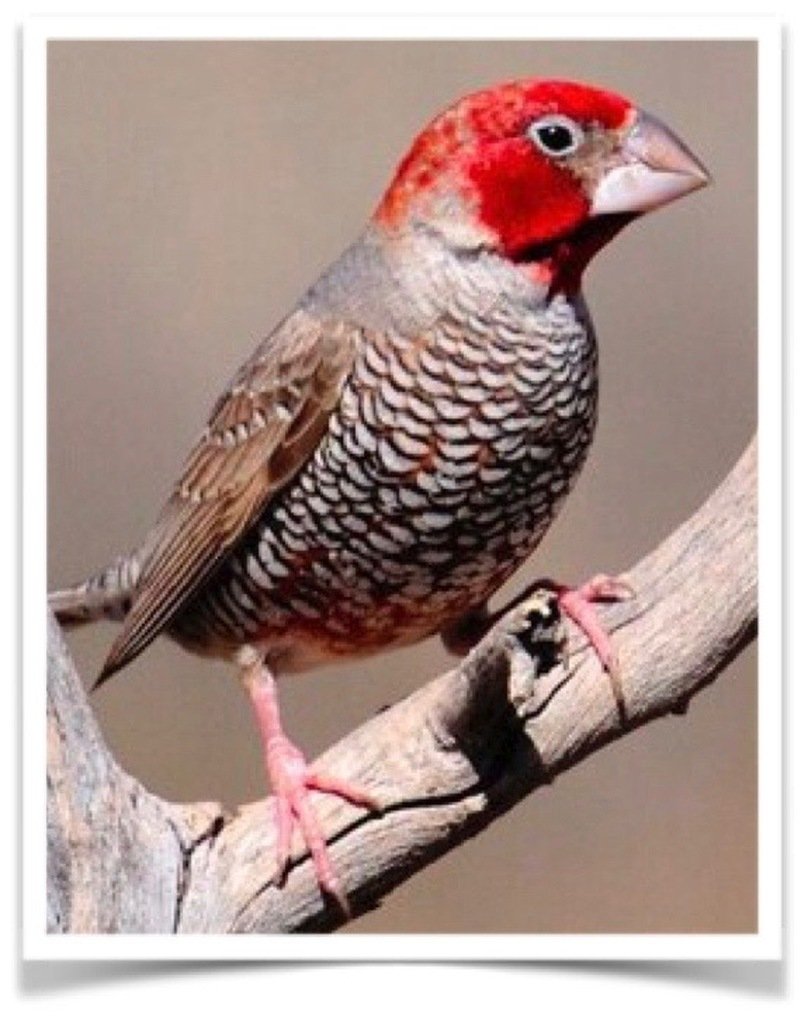
The Red-headed Finch (Amadina erythrocephala), also known as the Paradise Finch or the Red-headed Weaver, is a common species of estrildid finch found in Africa. It is found in Angola, Botswana, Lesotho, Namibia, South Africa and Zimbabwe. Males have vibrant red heads and chests while the females are duller. The resemblance to the cut-throat finch is unmistakable. The red-headed and cut-throat finch are the only members of the genus Amadina. Amadinas, with their heavy beaks, resemble members of the Lonchura, so they are actually more closely related to the Pytilias such as the Melba finch. Natural habitat is dense wooded thornbush in breeding season and more open semi-desert grassland in acacia (Acacia) thorn and bush savanna outside of breeding season. Buy Red-headed Finch Online
The Red-headed Finch (Amadina erythrocephala), also known as the Paradise Finch or Red-headed Weaver, is an attractive estrildid finch native to Africa. It occurs in Angola, Botswana, Lesotho, Namibia, South Africa, and Zimbabwe.
Male Red-headed Finches have striking red heads and chests. Females are generally duller in color. The species closely resembles the Cut-throat Finch. Both birds belong to the genus Amadina.
Although Red-headed Finches have heavy bills that resemble those of Lonchura finches, they are more closely related to Pytilia species, including the Melba Finch.
In the wild, these birds live in different habitats depending on the season. During breeding, they prefer dense thornbush. Outside the breeding season, they can be found in open grassland and acacia thorn savanna.
At Aviora Haven, the Red-headed Finch is appreciated for its attractive appearance, active behavior, and suitability for a spacious aviary.
Geography: Africa
Size / Weight: Approximately 5 inches / 17–30 g
Song / Call: Click to hear the Red-headed Finch
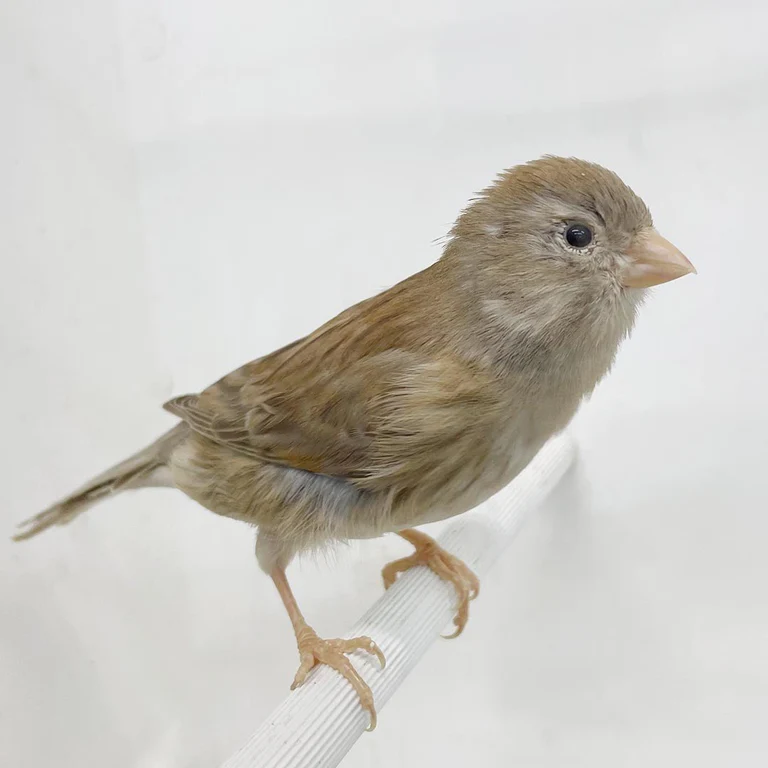
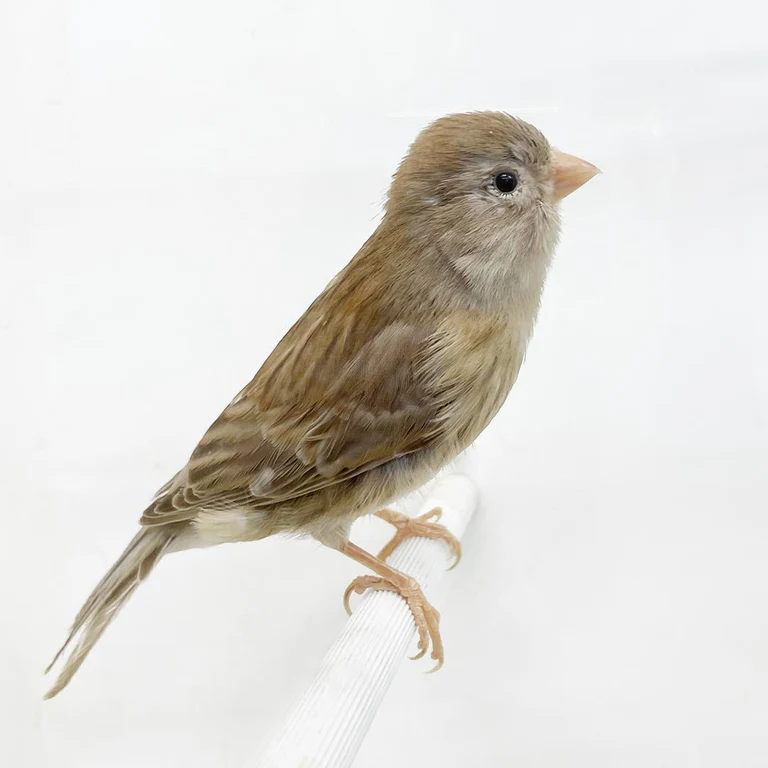
Sexing: Males are brighter and more strongly colored than females.
Red-headed Finches are often seen in small flocks in dry savanna habitats. They are primarily ground feeders and can feed comfortably alongside other compatible finch species.
They also frequently visit waterholes. Their distinctive call is a recognizable double-note sound that can be described as “chuck-chuck.”
These active birds benefit from adequate space and a suitable environment where they can forage and move naturally.
During courtship, the male performs an impressive display. He perches upright, raises his head and body, and fluffs the feathers around his throat and belly while facing the female.
Red-headed Finches build globular nests with a side entrance. They use grass and straw for construction and line the nest with feathers and soft plant material.
Nests are usually placed in cavities or trees. These birds may also reuse old nests built by other species, including sparrows, Ploceus weavers, and Sociable Weavers.
A typical clutch contains 4–6 eggs. The incubation period is approximately 14 days.
A varied diet helps support the health and condition of Red-headed Finches. Suitable foods include:
Fresh, clean drinking water should always be available. During breeding, additional protein from suitable live food can be beneficial.
Red-headed Finches show visible differences between males and females. However, if a gender option is not available for a bird on the Aviora Haven website, DNA testing may be available to confirm its sex.
DNA testing costs an additional $149 per bird. Testing may add approximately 3–6 weeks to the estimated delivery time because the results must be received before shipment.
For more information about Red-headed Finches, care requirements, availability, breeding, or DNA testing, please contact Aviora Haven.
| Sex | Male, Female, Pair |
|---|
Reviews
There are no reviews yet.