No products added!


Price range: $255.99 through $455.99
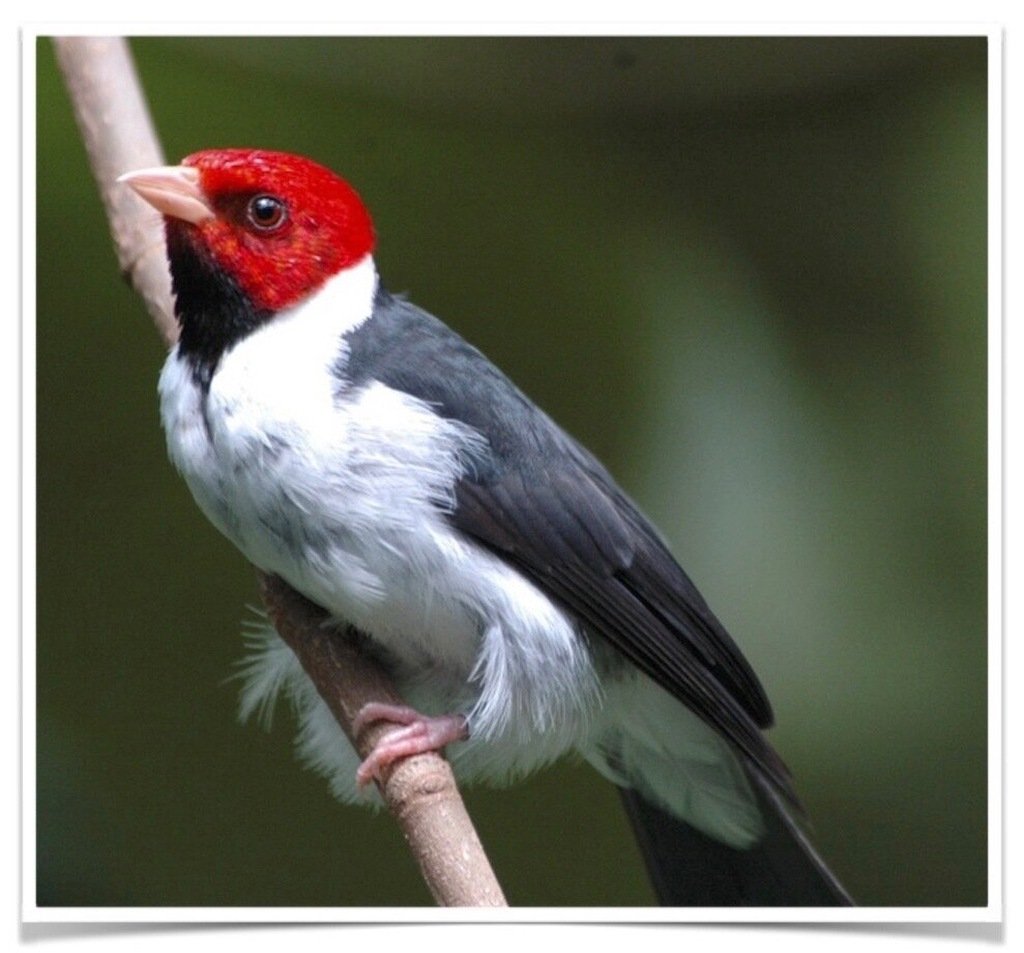
Exotic Red-Capped Cardinals for sale are by far the most popular aviary cardinals in the United States, and these red-capped cardinal birds are also a well-regarded pet cardinal in its South American homeland. The bird can sing, and pairs may duet, but people who keep them in small cages may be disappointed. This species sings and displays much better in a large walk-in planted aviary, where it can claim a nice-sized territory.
The Red-Capped Cardinal (Paroaria gularis) is one of the most popular aviary cardinals in the United States. It is also a well-known pet bird in parts of its native South America.
These beautiful birds are talented singers. Pairs may even sing together. However, they need plenty of space to display their natural behavior. A large, planted walk-in aviary is much better than a small cage.
At Aviora Haven, the Red-Capped Cardinal is an excellent choice for experienced bird enthusiasts with enough space to provide a suitable environment.
The Red-Capped Cardinal is a striking bird with a distinctive red head and attractive contrasting plumage. Adults reach approximately 16.5 cm (6.5 inches) in length.
They typically weigh around 22 grams (0.78 ounces).
The Red-Capped Cardinal is native to South America. It is commonly associated with habitats near water, including:
Its range includes the Guianas, Venezuela, eastern Colombia, eastern Ecuador, eastern Peru, northern and eastern Bolivia, and the Amazon Basin of Brazil.
The species belongs to Paroaria, a genus of red-headed cardinal-tanagers.
Red-Capped Cardinals are known for their pleasant songs. Pairs may sing together, making them especially enjoyable to observe in a spacious aviary.
They tend to sing and display more naturally when they have enough room to establish a territory.
The Red-Capped Cardinal can appear social and peaceful outside the breeding season. They may even join mixed-species foraging groups.
However, their behavior can change significantly during breeding. Territorial pairs may become aggressive toward other birds that enter their nesting area.
For this reason, space is extremely important. A large aviary with enough room for each bird to establish a territory can help reduce conflicts.
Smaller or more passive birds should be monitored carefully when housed with breeding Red-Capped Cardinals.
Some Red-Capped Cardinals can be sexed visually, while others are more difficult to distinguish.
If a gender option is not available when ordering, gender may not be guaranteed. DNA testing can be used when a reliable gender determination is required.
DNA testing is available when visual sexing is uncertain.
According to the listed service information, DNA testing costs $149 per bird. Testing may add approximately 3–6 weeksto the estimated delivery time while the results are obtained.
The breeding season for Red-Capped Cardinals generally runs from early October through mid-February.
During this period, pairs become highly territorial around their nest site. Males may chase away other members of their species or potential predators.
Providing plenty of space, suitable nesting areas, and visual barriers can help breeding pairs feel secure.
With appropriate care, Red-Capped Cardinals can live approximately 10–15 years.
A varied diet helps support the health and condition of these birds. Suitable foods can include:
Fresh, clean drinking water should always be available.
The Red-Capped Cardinal is a beautiful and intelligent aviary bird with an impressive song and strong territorial instincts. Its natural behavior is best appreciated in a spacious, planted environment.
For experienced bird keepers, providing the right amount of space, nutrition, vegetation, and social management can make the Red-Capped Cardinal a rewarding addition to an aviary.
Aviora Haven provides information and resources for bird enthusiasts interested in Red-Capped Cardinals and other unique aviary birds.
| Sex | Male, Female, Pair |
|---|






Reviews
There are no reviews yet.