No products added!
Price range: $125.99 through $225.99
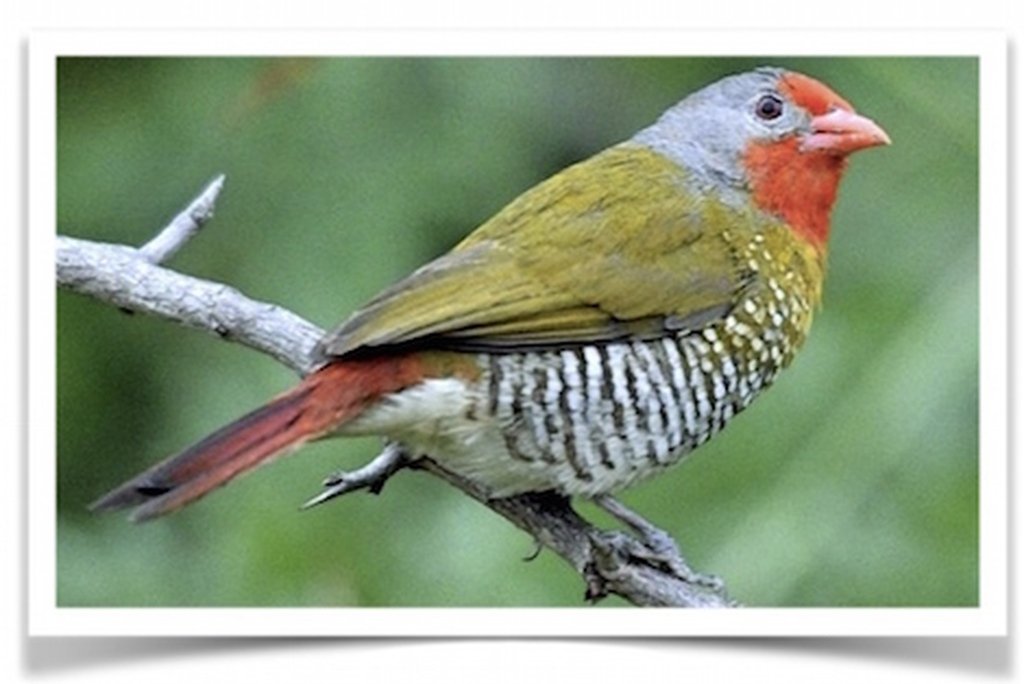
The Green-Winged Pytilia, also known as the Melba Finch, is the largest and most attractive member of the Pytilia family. They are far more extroverted characters than other Pytilias. The courtship ritual is a feast for the ears and eyes. These beautiful birds prefer a warm and dry environment with plenty of direct sunlight. Green-Winged Pytilias for sale are also referred to as; Crimson-faced Waxbill, Common Melba Finch, Melba Waxbill, Red-faced Weaver Finch, Uganda Melba Finch (P.m. grotei), Sudan Melba Finch (P.m. soudanesis), Senegambian Melba Finch (P.m. citerior)
The Green-Winged Pytilia, also known as the Melba Finch, is the largest and one of the most striking members of the Pytilia family. These lively finches are more outgoing than many other Pytilia species, and their courtship displays are fascinating to watch and hear.
Green-Winged Pytilias prefer a warm, dry environment with plenty of sunlight. Their beautiful colors, active personality, and distinctive songs make them an interesting addition to a suitable aviary.
At Aviora Haven, bird enthusiasts can learn more about the care, temperament, diet, and breeding requirements of this remarkable finch.
Other common names include Crimson-faced Waxbill, Common Melba Finch, Melba Waxbill, Red-faced Weaver Finch, Uganda Melba Finch (P. m. grotei), Sudan Melba Finch (P. m. soudanesis), and Senegambian Melba Finch (P. m. citerior).
Green-Winged Pytilias are native to dry regions of tropical Africa and parts of southern Africa. They are generally absent from the western and central African rainforest regions.
The Green-Winged Pytilia has a distinctive and varied song. Calls can differ considerably between geographical populations.
The song may last up to 15 seconds. It can begin with a water-drop-like sound, followed by short and long whistles, gurgling and trilling notes, and several fluting notes at the end.
Females can also sing, although their songs are generally shorter and quieter than those of males.
Approximately 5 inches / 20 g
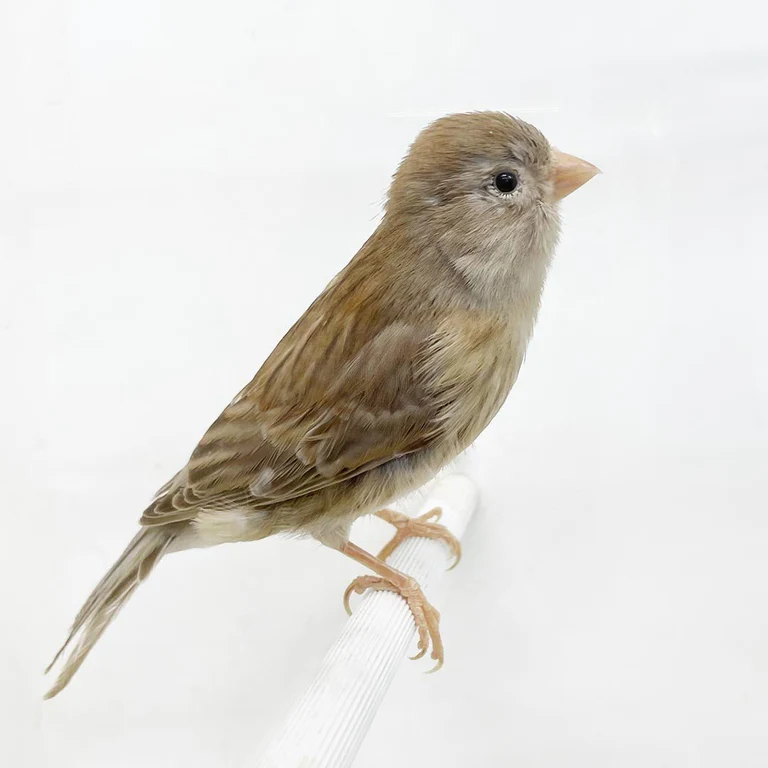
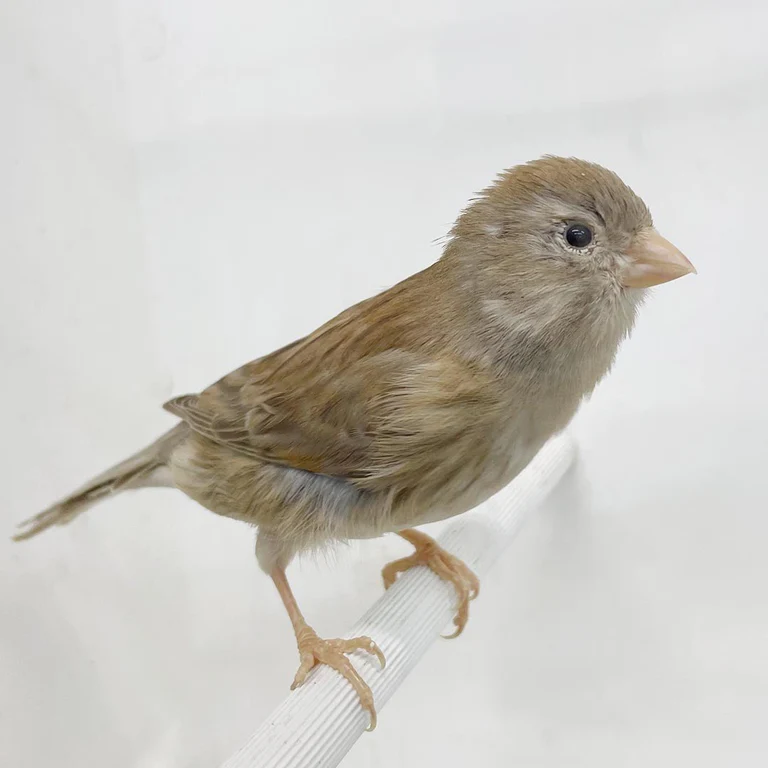
Green-Winged Pytilias are relatively easy to sex visually.
The female lacks the strong red coloration on the face and throat seen in the male. Her rump and tail are also less intensely red, while her body barring is less pronounced. The female usually has only a subtle amount of green on the chest.
Green-Winged Pytilias can be territorial and assertive, particularly during breeding. They may also become aggressive when introduced to a new aviary, paired with a new mate, or defending a nest.
Because of this behavior, careful planning is important when keeping them in a mixed-species aviary. They may show aggression toward other Pytilia species and birds with similar red facial markings.
If housed with other compatible species, provide plenty of space, hiding areas, vegetation, and visual barriers. Closely monitor interactions, especially during breeding season.
Green-Winged Pytilias are generally monogamous and are best kept as one pair per breeding enclosure.
A major consideration when breeding this species is their need for live food. Termites are particularly important during the breeding period, and inadequate access to suitable live food may negatively affect breeding success and chick rearing.
The breeding season varies according to location and generally corresponds with the period following seasonal rains.
Provide a quiet breeding enclosure, suitable nesting materials, privacy, and a nutritious diet containing sufficient protein and live food.
A varied diet is important for maintaining Green-Winged Pytilias in good condition. Suitable foods can include:
Live insects and other appropriate protein sources can be especially valuable when adults are breeding and raising chicks.
Aviora Haven recommends paying particular attention to the dietary needs of Green-Winged Pytilias during breeding, as adequate nutrition can play an important role in successful reproduction and chick development.
| Sex | Male, Female, Pair |
|---|
Reviews
There are no reviews yet.