No products added!
Price range: $1,150.99 through $1,950.99
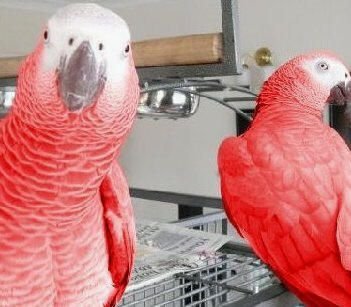
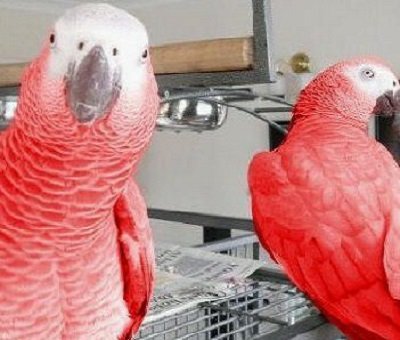
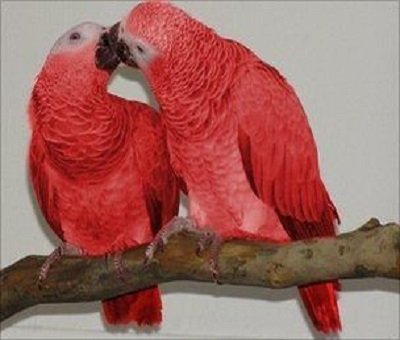
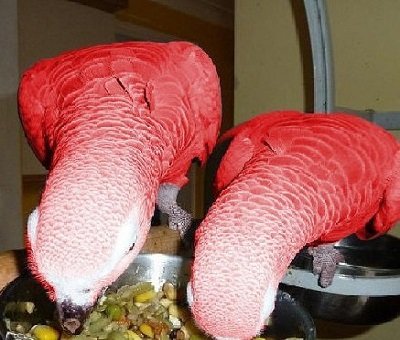
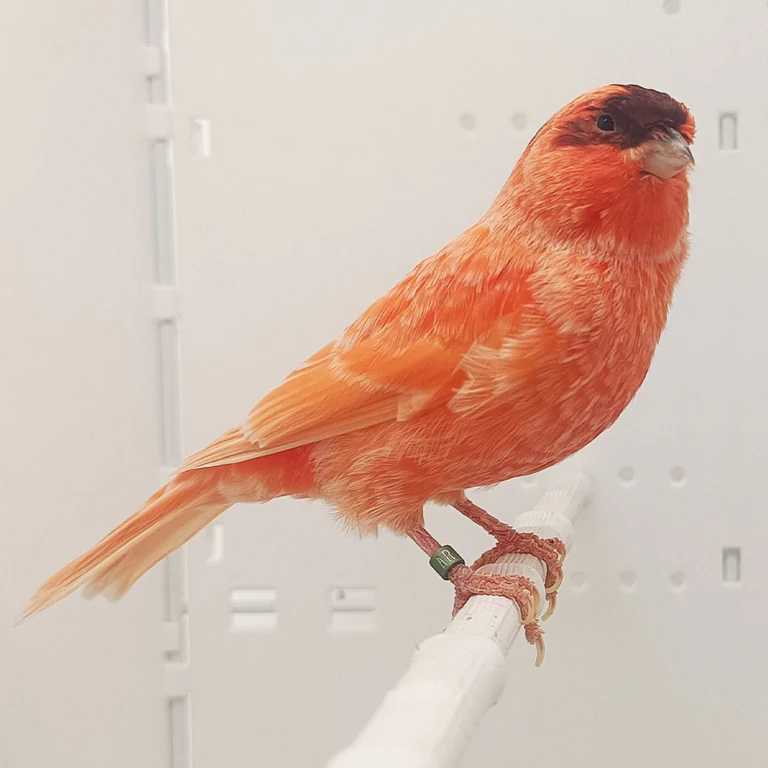
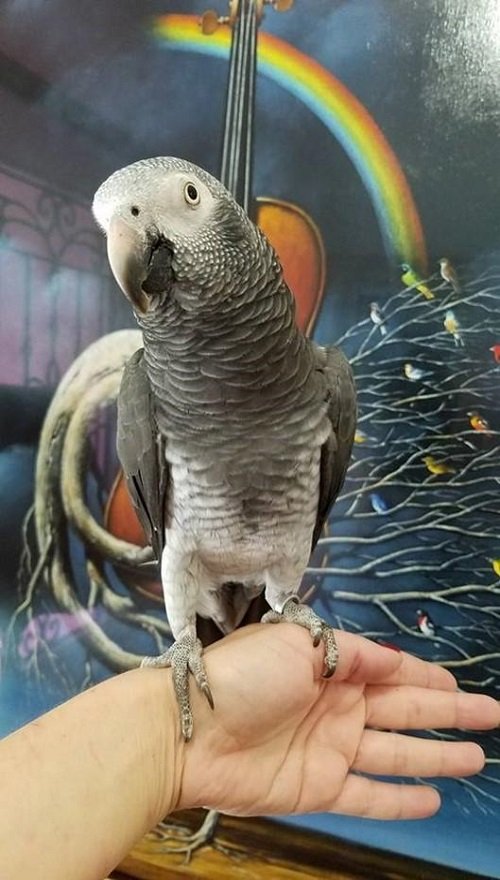
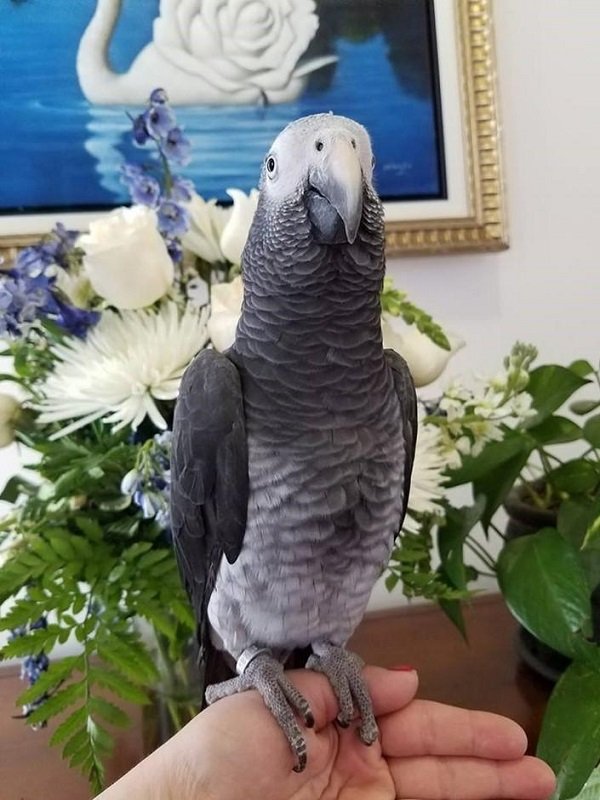
Red Factor African Grey For Sale, we have made it possible for you to be a Proud Owner of the Beautiful Red Factor African Grey’s! They will be available as pets to people all over the world. They’re certainly beautiful and desirable! The Red Factor African Grey will retain always retain their high level of intelligence and exceptional ability to talk just like their natural wild-colored Grey cousins.
We are proud to offer beautiful Red Factor African Grey parrots for sale. These rare and desirable birds are available as pets for bird lovers around the world.
The Red Factor African Grey keeps the intelligence and impressive talking ability of the African Grey. It has the same qualities as the natural wild-colored Grey. Its unique red coloring makes it especially attractive to bird enthusiasts.
We have been breeding these birds for several years. Breeding Red Factor African Greys requires time, patience, and careful planning. African Greys usually do not mature and begin breeding until they are about 5 to 6 years old.
Finding the right birds for breeding can also take years. The breeding pairs must have the desired Red Factor gene. We have invested significant time and effort into finding suitable birds and developing healthy breeding pairs.
We also offer Red Factor breeding pairs. In addition, we specialize in Congo and Timneh African Greys that carry the Red Factor gene.
These rare birds can be expensive. Breeding them requires extensive care, research, time, and resources. Our goal is to make these beautiful and unusual African Greys available to dedicated bird lovers.
African Greys need a balanced and nutritious diet. In the wild, they eat seeds, nuts, fruits, and leafy vegetation. They often climb through trees while searching for food.
Your pet African Grey can enjoy a variety of healthy foods. A quality large-hookbill seed mix can provide part of its diet. You can also offer fresh fruits, vegetables, sprouts, nuts, seeds, and suitable commercial pellets.
African Greys also need sources of calcium and vitamin A. A cuttlebone or calcium block can help provide calcium.
Fresh vegetables can be included in your bird’s diet. Good options include:
You can also offer a variety of fruits, such as:
Avoid feeding your African Grey avocado and chocolate. These foods can be toxic to birds. Foods that are high in salt or added sugar should also be avoided.
A diet that is too high in fat and protein should also be avoided. A balanced diet can help support your bird’s long-term health.
Most African Greys enjoy an occasional bath or shower. You can use a handheld shower sprayer with lukewarm water and a gentle spray.
You can also provide a shallow bath pan or ceramic dish. Make sure the container is stable and safe for your bird.
Always supervise your bird during bathing. Avoid using very hot or cold water.
Wing trimming is sometimes used to reduce flight. However, it should be done carefully. African Greys are heavy-bodied birds and can be injured if they fall.
If wing feathers are trimmed, only a small number should be trimmed. It is best to have this done by an experienced avian veterinarian or qualified bird professional.
Your African Grey’s beak and claws may also need occasional trimming. However, regular climbing and chewing can naturally help wear them down.
Provide safe perches, toys, and chewing materials to encourage natural activity. Regularly check your bird’s beak and claws and seek professional help if they become overgrown.
| Sex | Male, Female, Pair |
|---|
Reviews
There are no reviews yet.